
Three Main Causes of Electromagnetic Interference

Electromagnetic interference, or EMI, disrupts devices’ sensitive internal mechanisms and prevents them from functioning properly. Electronics need complete shielding to protect them from EMI, but you may wonder where EMI comes from in the first place. Read our brief guide to the three main causes of electromagnetic interference for more clarity on the subject.
Natural EMI
Many people think of other devices as the principal sources of EMI, but natural phenomena around us can emit EMI in several ways. Precipitation, such as a rainstorm or snowstorm, carries electrical static. When vehicles and other electronics encounter this, they build up a charge and emit EMI.
Beyond our world, stars and other nearby celestial bodies also emit natural EMI. Significant levels of solar radiation strike occasionally, while larger planets such as Jupiter emit appreciable EMI when they approach Earth. Many modern devices maintain their functionality when natural EMI is high, but this does impair older devices somewhat. Overall, engineers don’t implement device shielding to mitigate natural EMI because it isn’t a significant threat.
Human-Made EMI
The second type of EMI is human-made in the sense that manufactured devices and large-scale electrical systems emit interference. This encompasses every electronic assembly, from power lines to handheld devices. Any time these electronic assembly signals meet each other at the same frequency, they disrupt each other, depending on their relative strength. This is the major form of electromagnetic interference that shielding techniques, such as vacuum metalizing, limit. Because human-made EMI poses such a threat, some militaries intentionally weaponize it to inhibit enemy electronics. Luckily, EMI shielding provides a viable option to prevent human-made EMI from affecting your devices.
Inherent EMI
The last of the three main causes of electromagnetic interference is inherent EMI. Inherent EMI is more difficult to remedy because it originates from the device itself. Essentially, devices’ internal electrical systems interact with other internal features, even within a shield or conductive coating.
If you need help limiting the effects of either human-made EMI or inherent EMI, consider contacting us at Deep Coat to help protect your electronics. We offer exceptional EMI coating services on both electronic assembly housings and PCB shields, which are backed by our team’s years of specialized knowledge and flexibility.
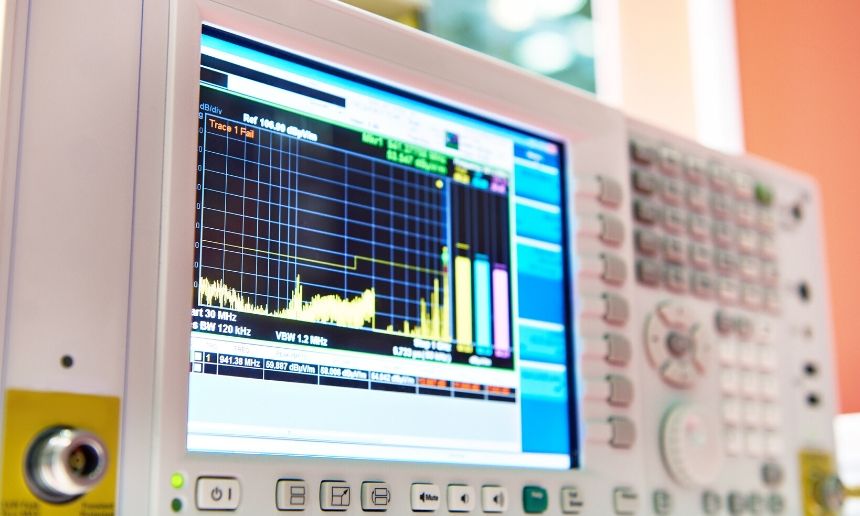
Limiting emitted electromagnetic frequencies is the principal goal of EMI shielding. To test the degree to which shields block EMI, you can run one of several tests that measure devices’ attenuation, or reduction in EMI intensity. If you would like to learn more about how to measure EMI shielding effectiveness, read our guide to four prominent tests.
Open Field Test
A device’s electromagnetic interference affects other devices when they interact in natural, everyday conditions. For this reason, it’s often wise to test completed devices’ EMI emission without taking too many variables away. This way, you get a better picture of how the device will function during regular use. Also called the free space test, the open field test involves using testing equipment in an open area without other electrical devices nearby. Testers place antennae at varying distances to measure EMI emission at several different points.
Shielded Box Test
Another method for measuring EMI shielding effectiveness is the shielded box test. This is useful for determining the effectiveness of potential shielding materials. True to its name, this test involves an almost-completely sealed box that blocks external EMI. There is one opening for users to insert shielding materials. To determine the material’s overall effectiveness, the equipment measures the difference between internal and external EMI. More effective material prevents EMI from reaching the shielded box’s interior. At Deep Coat Industries, we conduct rigorous testing to ensure our EMI shielding solutions are as effective as possible.
Coaxial Transmission Line Test
One drawback to a shielded box test is making sure the material introduced contacts the box opening so measurements are accurate between trials and different labs. Coaxial transmission line tests don’t allow for these inaccuracies. This method involves a diamond-shaped structure in which a tester places a sample EMI shielding material. The equipment measures EMI levels at several different frequencies, which is a unique feature among the various test options. Testers then compare EMI measurements to a control to determine material effectiveness.
Shielded Room Test
The shielded room test is a particularly comprehensive iteration of the shielded box method. The most important feature of the shielded room test is the elimination of potential measurement device interference by positioning measuring devices in a separate room from the tested material. This increases the reliability of results when compared with the shielded box method.
If you want to ensure that you shield your devices appropriately, consider utilizing Deep Coat’s vacuum metalizing services. We back our customizable vacuum metalization methods with our considerable team-wide knowledge and experience. Contact us if you have specific questions about how vacuum metalization can shield your product.

In today’s environment, the rapid increase in demand for electricity and technological availability leads to the development of more power lines and computer advancements every day. As a result, more pollution is being pumped into the environment, causing a litany of concerns among the general population. One question people often raise is whether or not electromagnetic interference has a negative impact on our health. After all, if it can harm our technology, should it not impact human biology as well?
Fact or Fiction?
Rumors suggesting that EMI leads to serious health effects such as tumors and cancer abound. Many people who fear this take precautions by placing their phones further away from them at night or banning certain electronics from their homes. But is there any truth to this? Unfortunately, we’re unable to give a definitive answer today. Experts don’t yet have the ability to confirm or deny the link between EMI and diseases such as cancer. Researches may have yet to prove direct biological effects, but EMI may still impact our overall health in several ways.
Hospital Equipment
One of the most prevalent dangers of EMI is the harm it can cause to health care equipment. The electromagnetic waves that radiate from our cell phones can easily interfere with medical equipment, and if this equipment stops working as a result, the consequences can be fatal. Outside the hospital, EMI is said to negatively interact with pacemakers. Whereas hospital signs warn us against using our cell phones on the premises, we can never be aware of what medical devices individuals may be using outside of hospital settings.
Free Radicals
People continue to debate the many medical worries associated with EMI, but many studies discuss the effects of electromagnetic fields on free radicals. Essentially, some of these studies argue that prolonged exposure to electromagnetic fields can increase the amount of free radicals in our systems and cause oxidative stress, which can have a negative effect on the body’s cells and proteins. Oxidative stress is known to cause ailments such as memory loss and joint pain.
The Solution
With every potential danger comes the need for a solution. In the case of electromagnetic interference, this solution comes in the form of EMI shielding. Processes such as vacuum metalizing services put many worries at ease, allowing us to go about our lives with the comfort of protected technology. If you’d like to learn more about what vacuum metalizing is, we give a comprehensive overview of the process on our website.
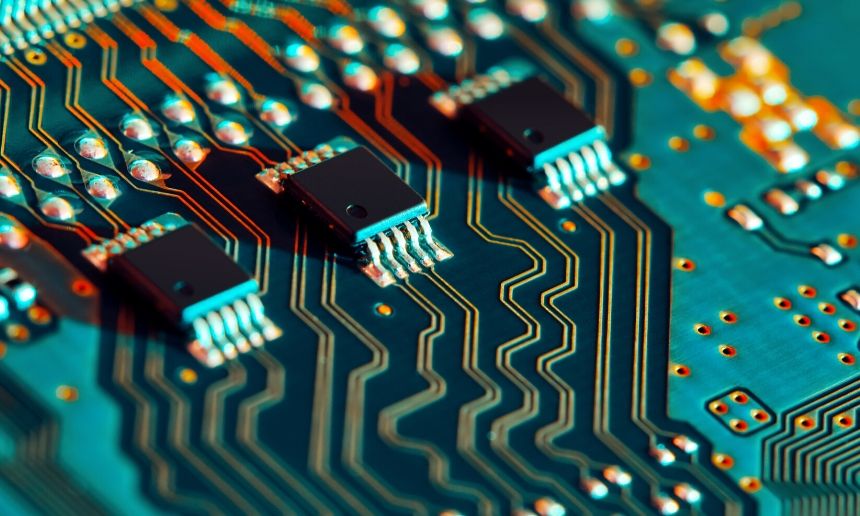
There are several aspects involved in preventing devices’ electromagnetic wave interference (EMI). When looking into different EMI shielding process types for conventional EMI Shielding, enclosure configuration and the material used are two important considerations.
Enclosure Configuration
Blocking EMI first depends on if and how you enclose your device. To prevent EMI, you must choose an optimal configuration for your specific device. Of the EMI shielding process types, one simple and effective option is Volumetric Shielding (or Faraday Cage). This is a six-sided box that entirely encompasses your device and effectively prevents EMI but doesn’t allow very much airflow. Perfect for military-grade devices that need to be impenetrable, Faraday Cages are difficult to implement in modern devices with branching inputs and outputs that also need shielding. You can shield more locally by covering the circuit board, and you can even choose stick-on sheets to isolate very specific or hard to reach areas of your device.
Metals
The material your enclosure consists of is a secondary consideration because the materials’ properties determine your costs, flexibility during construction, and the ability to limit interference. Copper, aluminum, steel, and nickel are relatively heavy and costly materials that are conductive and effective at blocking EMI. Copper is an expensive yet particularly malleable option that fits many uses.
Plastics
Recent innovations in EMI shielding process types have allowed professionals to use plastics instead of metals because they’re cheaper, quicker to manufacture, easily shaped, and lighter than metals. To ensure they are as capable of limiting device EMI, they need to have a conductive layer applied. Two important processes for conventional EMI shielding are vacuum metalization and electroless plating. When vacuum metalizing plastic, a metal vaporizes and deposits onto a pre-treated plastic, onto which it condenses and forms a thin metallic layer. In electroless plating, on the other hand, experts typically immerse the plastic in a nickel or copper ion solution to form a conductive metallic bond.
Vacuum metalization, also called vapor deposition, is a cutting-edge method for applying metal coatings to surfaces, including intricate plastic shapes. By transforming a source material into vapor and depositing it onto an object in a vacuum chamber, this process ensures consistent, high-quality results. Industries relying on EMI plastics, such as aerospace, medical devices, and industrial automation, benefit from this process to meet their stringent protective shielding requirements.
The Science Behind Vacuum Metalization
Vapor deposition involves heating a source metal or chemical until it vaporizes. Techniques include high-energy electron beams, plasma beams, or resistance heating. Once vaporized, the metal condenses onto the surface of an object, forming a uniform coating. This method can be invaluable for EMI plastics as it enhances their performance by adding electromagnetic shielding and protective barriers without compromising structural integrity.
At Deep Coat Industries, for example, our expertise in vacuum metalization emphasizes advanced EMI shielding and protective coatings:
EMI Plastics and Key Steps in the Vacuum Metallization Process
Tooling
Custom tooling ensures that products are securely held in place during the process, allowing for precise metal application. Engineers develop specialized tooling designs tailored to the shape and size of each product, optimizing coverage and efficiency for even the most complex geometries.
Surface Pre-Treatment and Loading
Surface preparation is essential for effective adhesion. Advanced plasma treatments remove static, microscopic debris, and contaminants, while ceramic stone tumbling, sandblasting, and other abrasive techniques address surface irregularities. These steps ensure the vaporized metal bonds directly to the plastic, avoiding defects that could compromise shielding performance.
Vacuum Metalizing
In the vacuum chamber, metals are heated until they sublimate into vapor. This environment lowers the boiling point, making sublimation efficient and precise. The vaporized metal is directed uniformly onto the product’s surface, creating a seamless metallic layer. Specialized vacuum chambers with quad-fire and dual-fire capabilities accommodate diverse shielding needs across industries.
Quality Inspection
Every component undergoes rigorous inspection to guarantee the coating meets exacting standards. If inconsistencies arise, adjustments are made to ensure a flawless end product. Adherence to UL-certified processes ensures reliability and performance, crucial for EMI shielding applications.
Applications of Vacuum Metalization for EMI Plastics
Industries such as defense, telecommunications, and medical devices rely on EMI plastics enhanced through vacuum metalization to shield sensitive electronics from electromagnetic interference. These coatings also provide moisture resistance and reflective properties, further extending their functionality. Whether applied to plastics, glass, or metals, vapor deposition delivers durable and versatile solutions that meet the unique demands of each sector.
Quality First: Importance of ISO for EMI Plastics Manufacturers
Manufacturers specializing in EMI plastics for shielding applications must meet rigorous quality standards to ensure their products deliver consistent and reliable performance. This is especially critical in industries like aerospace, medical devices, telecommunications, and automotive, where electromagnetic interference (EMI) shielding is a non-negotiable requirement. Attaining ISO certifications signals a manufacturer’s commitment to quality, safety, and efficiency, while also meeting global regulatory requirements.
Understanding ISO Standards
The International Organization for Standardization (ISO) is a globally recognized body that develops and publishes standards to ensure the consistency, quality, and safety of products and processes across industries. ISO standards are developed through a consensus-driven process, incorporating insights from technical experts, industry stakeholders, and regulatory bodies worldwide.
For manufacturers of EMI plastics, achieving ISO certification demonstrates their ability to meet strict protocols that enhance product performance and customer trust. Certifications are not just a badge of honor—they validate that manufacturing processes comply with globally recognized benchmarks for quality assurance.
Key ISO Certifications for EMI Plastics Manufacturers
ISO 9001: Quality Management Systems (QMS)
ISO 9001 is the most widely recognized standard for quality management systems. For EMI plastics manufacturers, it ensures that production processes are consistently executed to deliver high-quality products that meet customer and regulatory requirements. This certification provides a framework for improving operational efficiency, reducing waste, and enhancing product reliability.
ISO 14001: Environmental Management Systems (EMS)
With increasing emphasis on sustainable manufacturing, ISO 14001 is particularly relevant. This certification focuses on environmental management practices, ensuring that production processes minimize their environmental impact. Manufacturers of such plastics can showcase their commitment to sustainability by obtaining ISO 14001, which can be a competitive advantage in markets prioritizing eco-friendly practices.
ISO 13485: Medical Devices
For manufacturers supplying EMI plastics to the medical device industry, ISO 13485 is essential. This certification ensures compliance with stringent standards specific to the design, production, and distribution of medical devices. Given the critical role EMI shielding plays in safeguarding sensitive medical equipment, this certification is a must for companies operating in the healthcare sector.
ISO/IEC 17025: Testing and Calibration Laboratories
While not specific to manufacturers, ISO/IEC 17025 certification applies to laboratories that conduct testing and calibration for these types of plastics. This certification guarantees the accuracy and reliability of testing processes, which is vital for validating the performance of EMI shielding products before they reach the market.
ISO 45001: Occupational Health and Safety
ISO 45001 focuses on maintaining safe and healthy work environments. For manufacturers, this certification ensures that workplace risks are minimized, and employees are protected from occupational hazards. A safe manufacturing environment is essential for maintaining productivity and employee morale.
Conclusion
For manufacturers specializing in EMI plastics, obtaining the appropriate ISO certifications is not just a requirement—it is a strategic advantage. These certifications validate quality, enhance operational efficiency, and foster customer trust. By adhering to internationally recognized standards, manufacturers ensure that their EMI shielding products perform reliably across demanding applications.
If you are looking for reliable partners for EMI plastics solutions, choose ISO-certified manufacturers. They ensure better performance and compliance. To learn more about Deep Coat, visit our website. You can also find information about our certifications and custom solutions for your industry. If you have questions, feel free to contact us.
Understanding EMI Coating and Its Importance
Electromagnetic interference (EMI) can disrupt the functionality of electronic devices, causing everything from minor malfunctions to critical failures. EMI coatings provide an effective solution by shielding sensitive components from unwanted electromagnetic frequencies.
These coatings are applied to devices or enclosures to block EMI, ensuring consistent performance and reliability. Industries such as military, medical, agriculture, and power generation rely on custom EMI coating solutions to protect their operations from interference and ensure safety.
The Military and EMI Coating Applications
Modern military technology depends on secure communication systems and interference-free operations. Radar jamming and electromagnetic pulse (EMP) attacks are increasing in sophistication and frequency, putting mission-critical systems at risk. EMI coating helps mitigate these threats by shielding electronic components in communication infrastructure, radar systems, and other equipment.
Custom shielding solutions designed for military applications are tailored to meet specific operational requirements, ensuring precise protection where it matters most. This customization ensures military personnel can depend on their technology in even the most challenging conditions.
Medical Devices and EMI Shielding
Medical devices are more interconnected than ever, with a wide array of electronic equipment functioning simultaneously in healthcare facilities. However, this interconnectedness increases the risk of EMI-related malfunctions, which can jeopardize patient safety.
EMI coatings applied through vacuum metallization offer a reliable way to safeguard medical equipment. For example:
- Ventilators: Shielding ensures consistent airflow and operation.
- Monitors: EMI protection prevents inaccuracies in vital sign readings.
- Imaging Devices: Shields critical components from external interference, delivering precise diagnostics.
Custom coatings allow medical devices to function without interruption, helping healthcare providers focus on delivering the highest quality care.
Agricultural Equipment and Shielding
The agricultural industry may seem an unlikely candidate for EMI shielding, but advanced farming techniques rely heavily on electronic systems. Modern farming equipment uses GPS, Bluetooth, and Wi-Fi technologies to monitor and optimize field operations. Without proper shielding, these systems can be affected by interference, leading to reduced efficiency and accuracy.
Electrostatic discharge (ESD) is another concern, especially during dry conditions. Agricultural equipment can accumulate static electricity, which poses a risk of sparking fires. EMI coatings help mitigate ESD by creating a conductive barrier that safely dissipates static charges, protecting both equipment and operators.
EMI Coating for Power Generation
Power generation systems require uninterrupted operation, as any malfunction can lead to widespread outages and significant economic consequences. EMI can disrupt control systems, sensors, and communication networks essential to energy production and distribution.
Custom coatings play a vital role in protecting these systems, ensuring consistent performance under challenging environmental conditions. Whether shielding wind turbines, solar inverters, or traditional power plants, these coatings safeguard equipment longevity and operational reliability.
Advantages of Custom EMI Coating Applications
Tailoring an EMI coating to specific applications ensures the best possible protection and performance. Some of the key benefits include:
- Precision Fit: Custom solutions provide exact coverage, eliminating gaps that might allow interference.
- Durability: High-quality coatings resist wear, ensuring long-term protection.
- Versatility: Solutions are adaptable for a wide range of materials and configurations.
- Safety: Shielding reduces risks associated with malfunctions and electrostatic discharge.
Why Choose Custom Solutions?
In industries where performance and safety are non-negotiable, off-the-shelf EMI solutions may not meet every need. Custom applications ensure that shielding aligns perfectly with specific equipment requirements, operating environments, and industry standards.
To achieve the highest level of protection, it’s essential to partner with a provider who understands the unique challenges of your industry and offers proven expertise in EMI and RFI shielding technologies.
Final Thoughts
Electromagnetic interference poses a significant threat to modern technology across industries. EMI coatings offer a reliable way to protect devices, enhance safety, and ensure uninterrupted operation. From military defense systems to life-saving medical equipment and precision agricultural tools, custom EMI shielding solutions play a crucial role in maintaining performance and reliability.
If you’re looking for a tailored EMI coating solution, Deep Coat Industries is here to help.
Static dissipation in electronics is a hidden disruptor in demanding industries like aerospace, medical, and automotive manufacturing. Uncontrolled static charges lead to costly downtime, damage to sensitive components, and even catastrophic system failures. EMI/RFI shielding, however, offers a practical solution to mitigate these risks. Here’s a detailed look at how static dissipation wreaks havoc and how EMI/RFI shielding ensures optimal equipment performance.
10 Ways Static Dissipation Affects Electronics
- Component Damage
Static discharge can damage delicate electronic components, particularly in high-precision devices. Even small static shocks can degrade semiconductors, circuit boards, and sensors, leading to irreversible failure.
- Data Corruption
In devices dependent on memory storage, static charges can disrupt data signals, leading to corrupted files or loss of critical information.
- Electrostatic Discharge (ESD) Failures
When charges accumulate and discharge suddenly, they create ESD events. These can overheat circuits or cause complete short circuits, significantly reducing the lifespan of affected electronics.
- Signal Disruption
Static charges interfere with signal integrity, leading to miscommunication between electronic systems. This can compromise the functionality of communication devices, GPS systems, and other equipment in industrial settings.
- Malfunctioning Controls
Automated systems often fail or behave unpredictably due to static-induced noise in control circuits. For industries like industrial automation, such malfunctions can halt entire production lines.
- Increased Maintenance Costs
Static dissipation can increase wear on components, requiring more frequent repairs or replacements. The costs associated with maintenance or equipment downtime quickly add up.
- Product Defects
Electronics exposed to uncontrolled static charges during manufacturing or testing often result in defects, impacting quality assurance processes.
- Environmental Vulnerabilities
Static dissipation can be aggravated by environmental conditions such as low humidity, creating hotspots for ESD events.
- Operator Safety Risks
While less common, static discharges can create electrical hazards for operators working with sensitive equipment.
- Operational Downtime
Prolonged equipment failure caused by static-related issues can bring operations to a standstill, severely impacting productivity and profitability.
The Role of EMI/RFI Shielding in Mitigating Static Dissipation
Electromagnetic interference (EMI) and radio frequency interference (RFI) shielding are critical technologies for combating the effects of static dissipation. Here’s how they help:
Shielding Sensitive Components
EMI/RFI shielding encases critical components in conductive materials that dissipate static charges safely. This prevents ESD events and protects electronic circuits from surge damage.
Maintaining Signal Integrity
By blocking external electromagnetic and radiofrequency noise, shielding ensures that data transmission and processing remain uninterrupted, reducing the risk of signal distortion or corruption.
Enhancing Product Durability
Protective coatings and gaskets used in shielding reduce wear and tear caused by static charges, extending the operational lifespan of electronic devices.
Reducing Maintenance and Downtime
Equipment equipped with EMI/RFI shielding experiences fewer failures due to static issues, decreasing the frequency of repairs and minimizing operational interruptions.
Improving Compliance with Industry Standards
Many demanding industries require compliance with strict ESD and EMI regulations. Shielding solutions help manufacturers meet these requirements, ensuring product safety and reliability.
Applications of EMI/RFI Shielding in Demanding Industries
- Aerospace: Protecting avionics systems from static buildup during high-altitude flights.
- Medical: Shielding sensitive diagnostic equipment from interference and static-related failures.
- Automotive: Ensuring reliable performance of electronic control units (ECUs) and sensors in vehicles.
- Industrial Automation: Safeguarding automated systems in factories against static noise and ensuring precision operations.
Key Features to Look for in Shielding Solutions
- Conductive Materials: Use of metals or conductive polymers to dissipate static charges effectively.
- Customizable Coatings: Shielding coatings tailored to specific industry requirements, offering both functionality and ease of application.
- Durable Construction: Shielding solutions designed to withstand harsh environments, including high temperatures and humidity.
- Lightweight Design: For aerospace and automotive applications, weight considerations are critical without sacrificing shielding effectiveness.
A Note on Data Centers: Static Dissipation and EMI/RFI Shielding
Data centers are the backbone of modern digital infrastructure, housing critical servers, networking equipment, and storage solutions. As hubs of constant data processing and communication, these facilities are particularly vulnerable to static dissipation and its associated risks. Implementing EMI/RFI shielding is essential for protecting data centers from static-induced disruptions and ensuring uninterrupted operations.
Risks of Static Dissipation in Data Centers
- Server Malfunctions: Static charges can accumulate within server racks, leading to sudden electrostatic discharges (ESD) that damage motherboards, CPUs, and memory modules.
- Data Loss and Corruption: ESD events can disrupt signal integrity in data transfers, resulting in corrupted files or total loss of sensitive information.
- Cooling System Failures: Static buildup in cooling systems can interfere with sensors and control modules, reducing cooling efficiency and potentially overheating critical components.
- Network Interruptions: Disruptions to routers and switches caused by static charges can lead to widespread network outages.
How EMI/RFI Shielding Protects Data Centers
EMI/RFI shielding mitigates these risks by providing a controlled environment where static charges are dissipated safely:
- Shielded Enclosures: Enclosing server racks with conductive shielding materials prevents static buildup and protects components from EMI interference.
- Grounding and Coatings: EMI/RFI solutions often include conductive coatings and grounding mechanisms that safely redirect static charges away from sensitive equipment.
- Cable Shielding: Shielding for data and power cables reduces the impact of electromagnetic interference and static dissipation on critical connections.
Industry Adoption
Major data center operators are adopting EMI/RFI shielding as part of their risk mitigation strategies. These measures ensure reliable uptime, enhance equipment longevity, and meet stringent compliance standards for data security and operational stability.
Conclusion
Static dissipation is an often-overlooked threat in electronics applications, with the potential to disrupt operations across industries. EMI/RFI shielding provides a robust defense, safeguarding sensitive components and ensuring consistent, reliable performance even in the most demanding environments.
Learn more about protecting electronics from static dissipation and EMI/RFI interference by visiting this industry news article.
At Deep Coat, we provide tailored EMI/RFI shielding products and solutions to meet your industry’s unique needs—reach out to us today!
Electromagnetic interference (EMI) is an ever-present challenge in today’s technology-driven world. From the operating room to the battlefield, reliable electronic performance is vital, and EMI shielding solutions are critical for ensuring uninterrupted functionality. Industries like medical, military, and aerospace depend heavily on secure, high-performing shielding technologies to protect sensitive equipment. Among the most effective methods are vacuum metallization and conductive paint, two solutions that provide a robust defense against EMI threats.
Why EMI Shielding Applications Are Essential
EMI occurs when unwanted electromagnetic waves disrupt the normal operation of electronic equipment. In sectors like healthcare, where devices such as imaging systems or life-support machinery must function without error, interference can lead to dire consequences. Similarly, in military applications, EMI can compromise mission-critical communications and equipment reliability.
As electronic devices become more compact and sophisticated, their components are more vulnerable to interference. EMI shielding solutions address this challenge by creating barriers that prevent external signals from infiltrating sensitive circuits while also containing emissions that could interfere with other nearby devices.
Key Benefits of Effective EMI Shielding Solutions
- Better Reliability: Reduces the risk of equipment failure due to electromagnetic disturbances.
- Enhanced Safety: Critical in healthcare and aerospace, where performance consistency is non-negotiable.
- Regulatory Compliance: Ensures that devices meet industry-specific EMI standards.
Vacuum Metallization and EMI Shielding
Vacuum metallization is a cutting-edge method for achieving EMI protection. This process involves depositing a thin metallic coating on a substrate within a vacuum chamber, creating an effective barrier against electromagnetic waves.
Advantages of Vacuum Metallization
- High Conductivity: The metallic layer provides excellent conductivity, enhancing shielding performance.
- Lightweight and Durable: Ideal for weight-sensitive applications like aerospace and medical devices.
- Customizable: Can be tailored to various materials, shapes, and thicknesses for diverse industry requirements.
The process is particularly well-suited for shielding complex components where precise application is necessary, making it a preferred choice in advanced industries.
Conductive Paint for EMI Shielding
Conductive paint offers another practical solution for EMI shielding. It consists of a polymer base mixed with conductive particles like silver, copper, or graphite, which create a shield when applied to surfaces.
Benefits of Conductive Paint
- Flexibility in Application: Easily applied to irregular shapes and surfaces.
- Cost-Effective: Offers an economical alternative for large-scale or lower-budget projects.
- Rapid Deployment: Paint can be sprayed or brushed onto components, providing quick and effective coverage.
Conductive paint is particularly advantageous for retrofitting existing equipment or when precise patterns are required for selective shielding.
EMI and Custom Shielding Solutions
Customized EMI shielding applications are crucial for industries facing unique challenges, from power generation to agriculture, medical applications, and military operations.
Tailored shielding applications are designed to meet the specific demands of each sector, ensuring reliability and safety even in the most demanding conditions. Precision and consistency are at the heart of these solutions, especially when protecting sensitive devices from electromagnetic interference (EMI) in mission-critical environments.
The military, for instance, faces increasing threats such as radar jamming and electromagnetic pulse (EMP) attacks, which can disrupt communication systems and compromise operations. Customized EMI shielding provides a robust defense, safeguarding infrastructure and ensuring secure communications.
In healthcare, where medical devices must operate flawlessly and reliable supply chain partners are a must, shielding solutions like vacuum metallization help protect essential equipment from interference. Reliable shielding ensures ventilators, imaging systems, and other life-saving devices perform as intended, delivering consistent care and improving patient outcomes.
Agriculture also benefits from customized shielding. With reliance on GPS, Wi-Fi, and Bluetooth, secure transmissions are vital. Shielding helps prevent electrostatic discharges during dry months, protecting equipment, employees, and the environment. Trust in tested, tailored solutions to safeguard your operations against EMI threats.
Selecting the Right EMI Solution
Choosing the best EMI shielding solution requires a careful evaluation of factors like application environment, material compatibility, and performance requirements. For instance, vacuum metallization is often preferred for high-performance needs where durability and precision are critical, while conductive paint may be ideal for applications requiring flexibility or lower costs.
Both methods play a pivotal role in ensuring that electronic systems meet the rigorous demands of industries where failure is not an option. By understanding these solutions and their benefits, manufacturers can create secure, reliable equipment that withstands the challenges of EMI.
Deep Coat Industries offers an array of EMI and RFI shielding solutions to suit the specific needs of your industry and your requirements. Contact us to explore our range of capabilities.
The military and defense sectors demand unparalleled quality, reliability, and security in their equipment. With technological advancements, threats such as electromagnetic interference (EMI) and radio frequency interference (RFI) have become more complex, posing significant risks to mission-critical operations. Collaborating with a trusted EMI military grade manufacturer ensures optimal performance and protection for defense systems, safeguarding both personnel and sensitive information.
EMI Military: Why Shielding is Critical in Applications
Modern military operations rely heavily on electronic devices for communication, navigation, and control. From handheld radios to advanced radar systems, the potential for EMI to disrupt operations has grown exponentially. Electromagnetic interference can originate from both intentional sources, such as electronic countermeasures, and unintentional ones, like natural phenomena or equipment malfunctions.
Electromagnetic shielding acts as a barrier, blocking unwanted electromagnetic waves from interfering with devices. This ensures the integrity of data, maintains communication channels, and protects sensitive equipment from disruptions that could jeopardize operations.
The University of Army Press has reported on the issues of EMI military grade shielding,
The Army is advancing its capabilities to address threats posed by electronic warfare (EW), but the pace of modernization may still lag behind the rapidly evolving challenges of the electromagnetic spectrum (EMS). These threats significantly impact maneuver units, especially in combat zones EW tools like jamming can disrupt essential systems.
These disruptions can hinder mission effectiveness, including target preparation and patrolling contested areas, while increasing risks of civilian casualties. For the military, overcoming these challenges requires robust shielding solutions and thorough training to prepare units to operate in environments dominated by EW threats.
This underscores the importance of understanding how EMI affects modern battlefield tools and the vulnerabilities of civilian-grade equipment often used by soldiers.
In brief, military-grade EMI shields, combined with comprehensive training, equip units to mitigate the tangible impacts of the intangible EMS threats, ensuring mission success and reducing the risks posed by reliance on technologically-dependent systems.
This aligns with the Army’s push to adapt and secure operations against the realities of modern electronic warfare.
Emerging Threats Driving the Need for EMI Military Shielding
Electronic Countermeasures:
- Radar jamming and electromagnetic pulse (EMP) attacks are increasingly used to disrupt military operations.
- Shielding solutions must be robust enough to protect devices from sophisticated countermeasures aimed at disabling communication and navigation systems.
Technological Complexity:
- Advanced equipment, while essential, introduces new vulnerabilities to interference and sabotage.
- Communication devices, drones, and industrial control panels must be fortified against potential attacks.
Foreign Interference:
- Adversaries can exploit unprotected systems, intercept communications, or cause critical failures.
- Comprehensive EMI military shielding ensures data security and uninterrupted mission-critical operations.
Applications of EMI Military Shielding
EMI shielding is a vital component across a range of military technologies, addressing challenges in various platforms and systems.
Personal Communication Devices:
Shielding prevents interception and maintains the reliability of messages, ensuring soldiers can trust the information they receive.
Control Modules and Enclosures:
EMI protection ensures consistent functionality of control systems, preventing disruptions to mission-critical tasks.
Vehicles and Aircraft:
From tanks and Humvees to advanced aircraft, EMI military shielding safeguards the electronic systems integral to these platforms.
Drones and Autonomous Systems:
Unmanned systems require interference-free operation to complete missions effectively, especially in contested environments.
Fiber Optic Systems:
Shielded systems provide resilience against both external EMI and internal crosstalk, enhancing signal integrity.
Key Considerations for EMI Military Grade Systems
To achieve the highest standards of EMI protection, manufacturers must adhere to rigorous certifications and collaborate closely with defense teams.
ISO Certification:
Manufacturers who are ISO certified provide assurance of quality and compliance with stringent military standards.
Custom Solutions:
Military applications often require tailored shielding solutions, ensuring compatibility with specific systems and operational needs.
Material Selection:
High-performance materials, such as conductive coatings and metallic meshes, enhance the effectiveness of EMI shielding.
Collaborative Development:
Working with development teams ensures that shielding solutions align with mission requirements and environmental conditions.
Safeguarding the Future of Military Operations
Without robust EMI shielding, the risk of equipment failure, communication breaches, and operational disruptions increases dramatically. Reliable EMI solutions not only protect devices but also ensure the safety and success of military missions. Shielding technologies continue to evolve, addressing emerging threats and maintaining the operational superiority of modern defense systems.
For the military, EMI shielding is not just a technical necessity—it is a strategic imperative. It reinforces the trust soldiers place in their equipment, fortifies national security, and ensures operational continuity in the face of growing challenges.
In industries where electromagnetic interference (EMI) and radio frequency interference (RFI) can compromise the functionality of sensitive components, effective shielding solutions are crucial. One innovative approach is advanced metal coating through direct metal deposition, which offers robust and customizable solutions for EMI/RFI shielding across a wide range of applications.
This process not only enhances performance but also provides environmental protection, decorative finishing, and galvanic compatibility, making it a versatile solution for industries including electronics, aerospace, and agriculture.
Vacuum Metalizing: Deep Coat’s Process
Direct metal deposition is a cutting-edge coating technology involving the vaporization of metal within a pressurized vacuum chamber. The metal vapor condenses evenly onto components, forming a uniform coating. This technique stands out for its precision, eco-friendliness, and safety. Operating in a sealed vacuum chamber, it prevents the release of toxic fumes, making it a cleaner alternative to traditional coating methods.
By utilizing advanced equipment such as diffusion pumps and chillers, vacuum chambers achieve extremely low pressures, ensuring optimal deposition.
When it comes to vacuum metalization, to address the growing need for effective EMI/RFI shielding, advanced coating techniques like Quad-Fire and Dual-Fire deposition have been developed here at Deep Coat Industries.
We want to ensure that manufacturers have access to reliable, repeatable, and sustainable solutions. Two innovative packages available for this process are:
- Quad-Fire: Four layers of metal applied in a single vacuum cycle.
- Dual-Fire: Two layers of metal applied in a single vacuum cycle.
Metal Coating Combinations for Shielding
Metal coatings are particularly effective for shielding sensitive electronics and components from EMI and RFI. Common combinations offered include:
- Stainless Steel/Copper/Copper/Stainless Steel (Quad-Fire): Provides excellent EMI shielding and environmental protection due to the durability of stainless steel layers.
- Copper/Copper/Nickel/Nickel (Quad-Fire): Offers a robust EMI shield and resistance to corrosion.
- Copper/Aluminum on Plastic (Dual-Fire): Lightweight and effective, ideal for applications requiring minimal added weight.
These combinations allow for tailored solutions that meet the specific shielding and durability requirements of various industries.
Versatile Shielding Metals
Vacuum metalization can support the use of a variety of metals, each offering unique advantages for EMI and RFI shielding. Popular choices include:
- Stainless Steel: Combines strength and corrosion resistance with an EMI shield.
- Copper: Known for its high electrical conductivity and superior shielding performance.
- Aluminum: Lightweight and versatile, suitable for plastic substrates.
- Nickel-Chrome: Offers a balance of shielding performance and corrosion resistance.
- Nickel: Commonly used in multilayer coatings for enhanced interference attenuation.
- Tin: Provides excellent electrical conductivity and is often used as a final layer.
Other metals can also be incorporated into the process upon request, ensuring compatibility with unique project requirements.
Benefits of Advanced Metal Coating
The direct metal deposition process offers numerous advantages, including:
- Enhanced Shielding: Precision layering ensures effective attenuation of interference across a broad frequency range.
- Durability: The ability to apply multiple layers strengthens the coating, protecting components from environmental factors.
- Eco-Friendly Solution: Sealed chambers prevent harmful emissions, making the process sustainable and safe.
- Customizability: Multiple combinations of metals can be adapted to specific applications.
- Consistency and Reliability: ASTM adhesion testing, surface resistivity testing, and visual inspections ensure quality control.
In addition, this technology supports UL certification on select plastic substrates, providing further assurance of quality and reliability.
Metal Coating: Applications Across Industries
The versatility of metal coating technology makes it suitable for diverse applications, such as:
- Consumer Electronics: Protecting devices from interference while maintaining sleek designs.
- Automotive and Aerospace: Shielding critical systems to ensure reliable performance.
- Industrial Automation: Enhancing the durability and functionality of control systems and components.
- Agricultural Equipment: Providing robust protection against environmental exposure and interference.
The process of direct metal deposition not only meets these challenges but also allows for scalable solutions that align with the specific demands of each industry.
Meeting EMI/RFI Shielding Challenges with Metal Coating
Advanced testing capabilities, including thickness measurements and UL certifications, further reinforce the dependability of the metal coating for critical applications.
For over 35 years, Deep Coat has been at the forefront of innovation in vacuum metallization and EMI/RFI shielding. We pioneered in-chamber RF plasma pretreatment to enhance metal adhesion, ensuring robust and reliable coatings. Through groundbreaking research, we launched the development and patenting of a 4-layer vacuum-deposited shield, featuring a stainless steel base, two copper layers, and a stainless steel overcoat for optimal performance.
Furthermore, our patented technologies have expanded the possibilities of vacuum-deposited metal coatings, with proven applications across a wide range of industries. The specialized process allows for the application of up to four distinct metal layers in a single vacuum cycle, with coating thicknesses ranging from 0.3 to 24 microns. This precision ensures exceptional adhesion, even on complex plastic geometries.
By offering customizable metal combinations, our aim is empowering manufacturers to achieve maximum shielding effectiveness tailored to their specific needs.
We want to do just that.
Contact us to explore how our solutions can benefit your products.